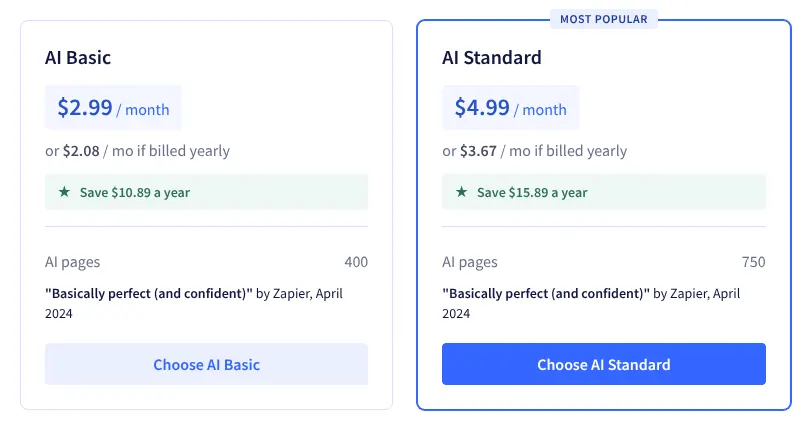
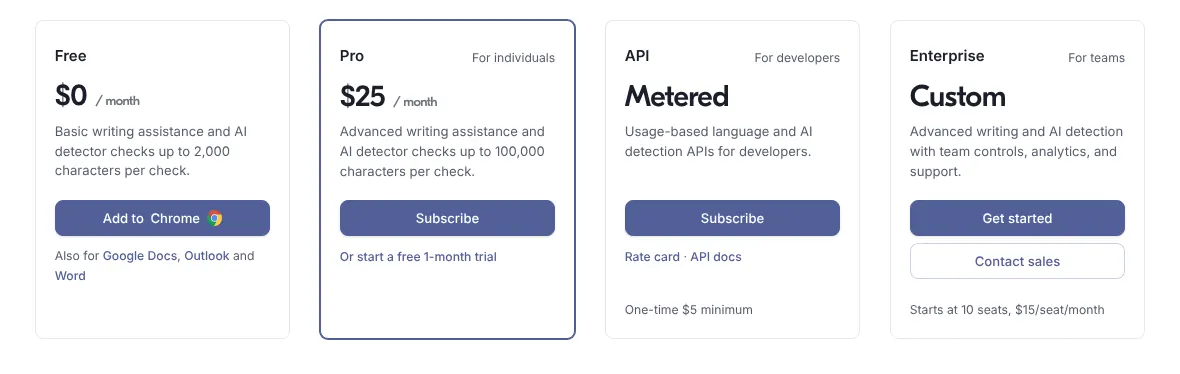
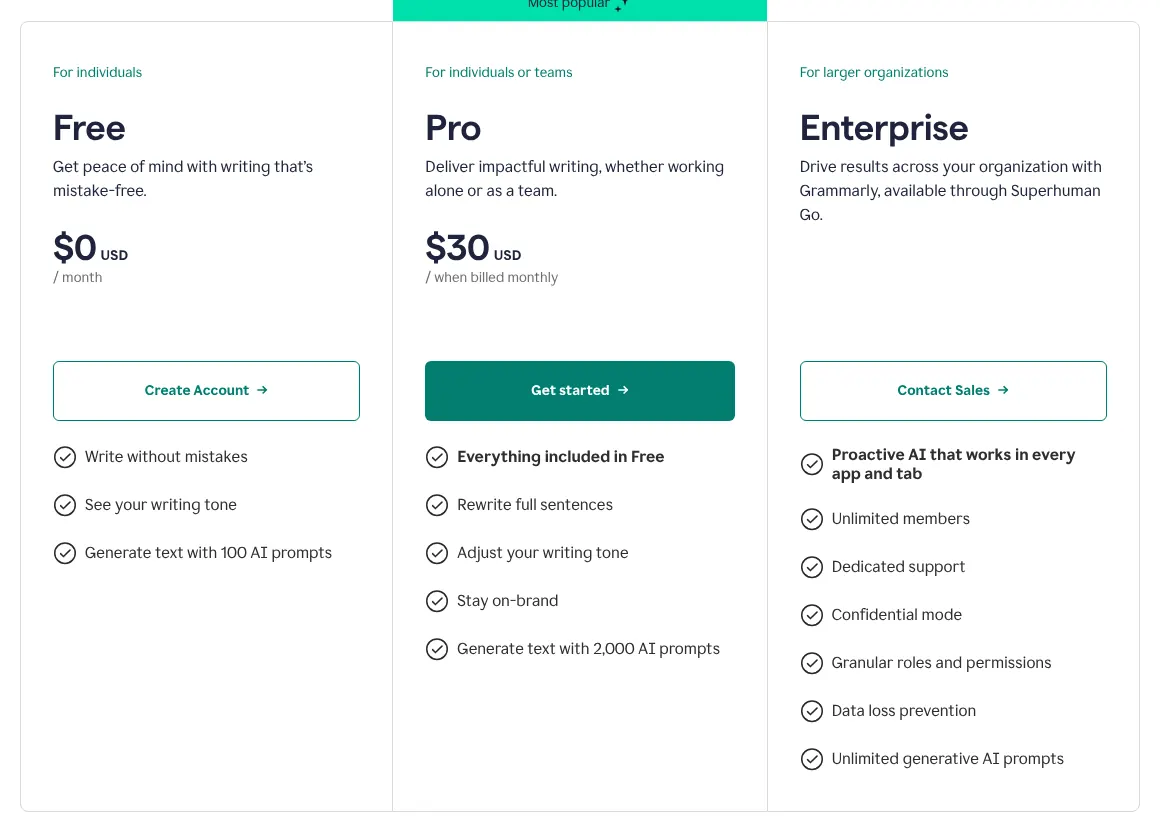
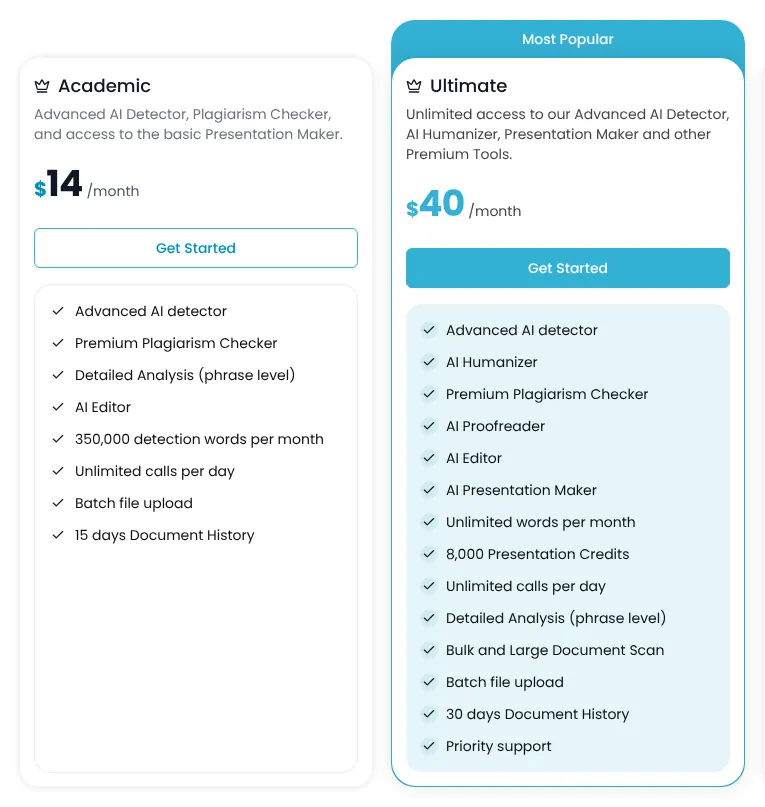
The score only shortlists: it counts features, and the right tool depends on the work. Six checks narrow the list to one or two. Each rests on facts read on 13 November 2026, on vendor pages or, for Copyleaks prices, on The AI Rankings and SupWriter.
1. Decide what you need to check
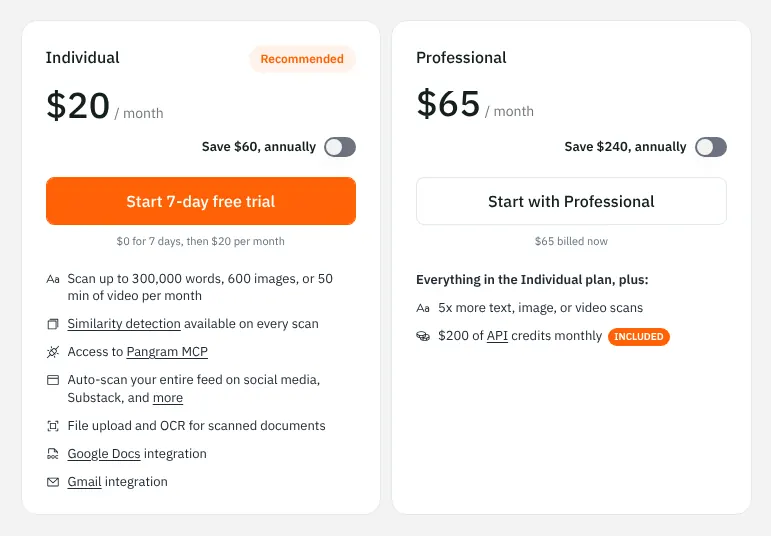
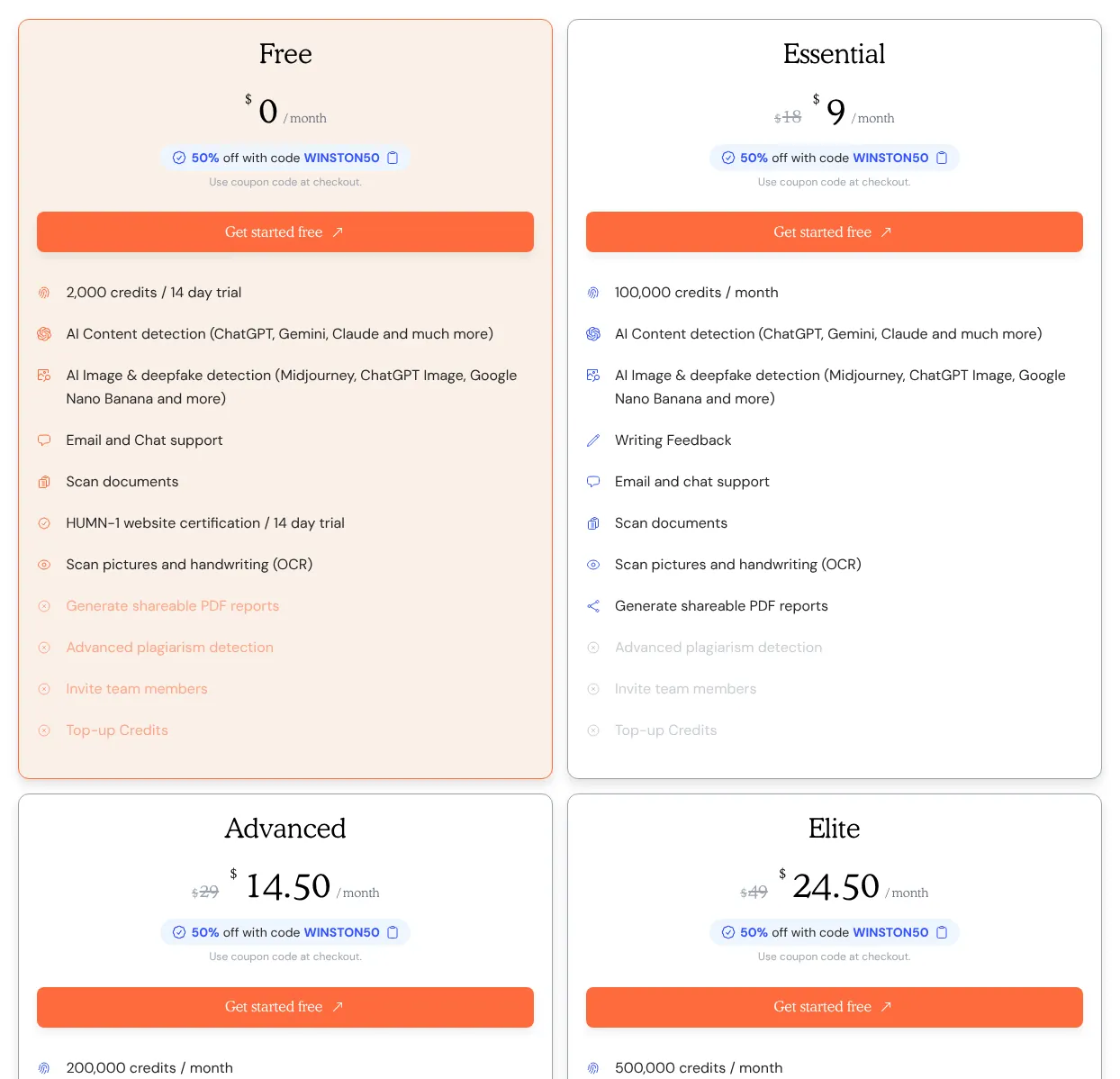
Start with the kind of content you handle, because the tools split here. If you only check writing, most of these ten fit. If you also need to spot AI images or deepfakes, meaning fake photos or video, six of the ten detect AI images: Originality.ai, Winston AI, Pangram, Copyleaks, ZeroGPT and Isgen. A teacher who only reads essays can ignore image detection and weigh the classroom tools instead.
2. Check the languages you work in
Confirm your languages before anything else, because coverage ranges widely. PlagiarismCheck.org reads English and Spanish only, while Isgen claims more than 80 languages and Pangram 24. If you grade work in French or Arabic, a two-language tool will not help, however cheap. Check the vendor's own language list, not its home page.
3. Match the word allowance to your volume
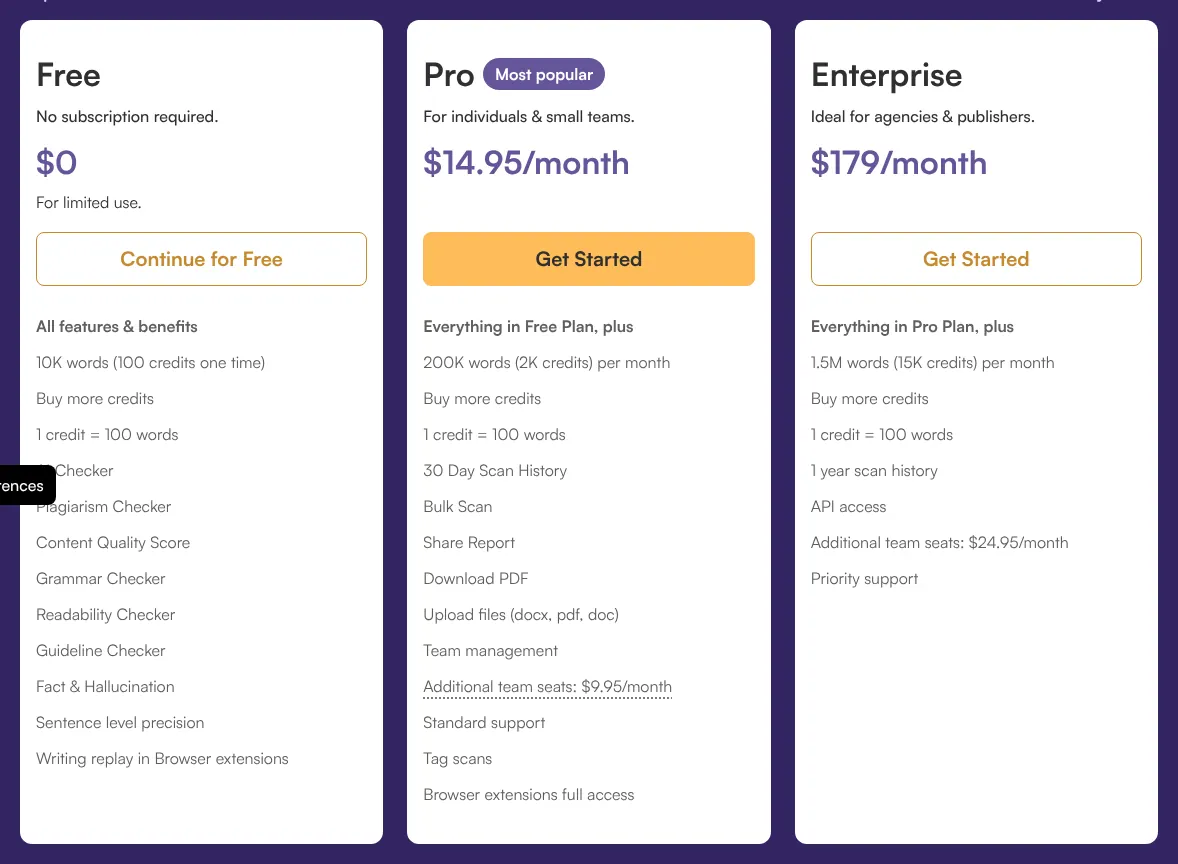
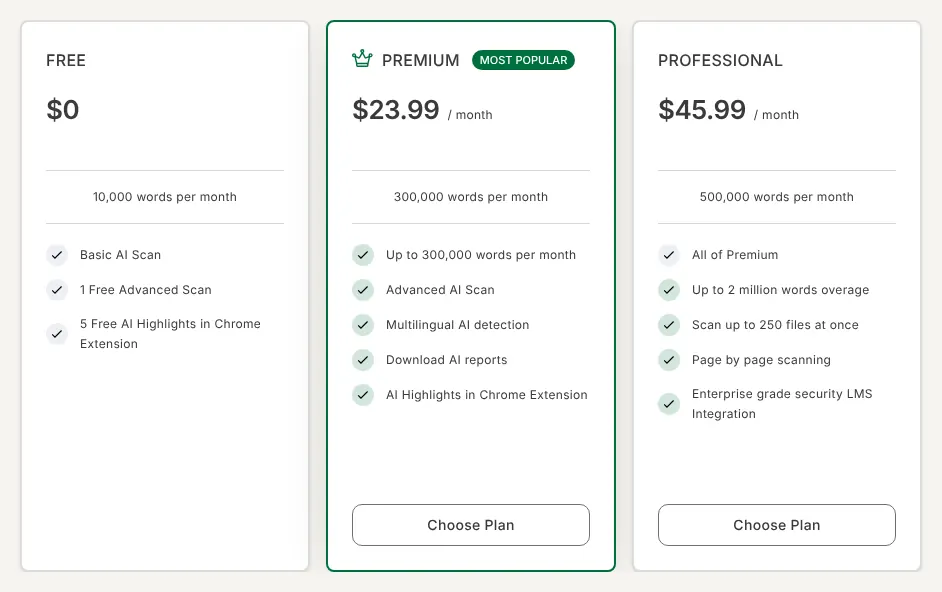
Count how much text you check in a month, then read the plan's allowance. Many tools sell words through credits; on Originality.ai one credit covers 100 words. A teacher checking 150,000 words a month fits inside Originality.ai Pro, which renews 200,000 words for $14.95. If you check little, a free plan such as ZeroGPT may be enough.
4. Check where it plugs in
Look at where you already work, because a detector you have to copy text into gets used less. Count the integrations (ready-made links to other software) you need: a browser add-on, a Google Docs tool, or a link to your learning platform. GPTZero and Originality.ai work inside Google Docs; schools that live in Canvas should shortlist PlagiarismCheck.org. If you want detection in your own software, you need an API, and Copyleaks is built around one.
5. Treat the percentage as a probability
Read the number as a risk signal, not a verdict, because detection can be wrong. A false positive, meaning human writing wrongly flagged as AI, can harm a real student or writer. Grammarly states its score should not be used as proof, and PlagiarismCheck.org publishes that it wrongly flags about 1 percent of human sentences. If a result could affect a grade or a job, confirm it before acting.
6. Compare free plans and trials
Try before you pay, because the free offers differ sharply. ZeroGPT gives a lasting free plan of about 1,250,000 words a month, while Winston AI offers only a 14-day trial of 2,000 credits. Run your own sample, a text you know is human and one you know is AI, through two shortlisted tools. The one that reads them both correctly, in your language, is the one to buy.