top10alternative

Top 10 AI Search Engines (2026)

Ten AI search engines, tools that answer a question in plain sentences and link the web pages they used, compared on what they include and cost. They are ranked by how many of 19 common features each one documents.

The best AI search engine for your situation

Each line matches a situation with the tool whose published facts fit it. The score out of 100 counts how many of 19 features expected of an AI search engine a tool documents. It measures what a tool offers, not how good its answers are.

  • You want to search without ads and will pay a small fee for itKagi · Starter costs $5 a month for 300 searches; Professional, $10, removes the limit.
  • You want cited answers and the choice of AI modelPerplexity · Pro costs $20 a month; the free plan includes 3 Pro Searches a day.
  • You read sources in English and in Asian languagesFelo · One query reaches English, Chinese, Japanese and Korean sources; Pro costs $14.99 a month.
  • You already pay for Microsoft 365Microsoft Copilot · Personal costs $9.99 a month; Researcher reports need Premium at $19.99.
  • You write papers and must check each sentence's sourceLiner · It cites sources line by line; Pro costs $17.99 a month.
  • Your team of 2 to 150 people wants cited web answers in its AI assistantClaude · Team costs $25 per person a month, billed monthly.
  • You want AI answers in the search engine you already use, for freeGoogle AI Mode · AI Mode is free in Google Search; Google AI Plus costs $4.99 a month.
  • You want private AI answers without creating an accountDuckDuckGo · Search Assist is free and anonymous, and chats are not used to train models.

How to choose an AI search engine

The score only shortlists: it counts features, and the right tool depends on how often a person searches, on what, and on who pays. Five checks narrow the list to one or two. Each rests on facts read on 15 November 2026 on the vendors' own pages.

1. Count your searches

Count how many questions you ask in a day before you compare prices, because some plans cap them. Ten searches a day come to about 300 a month, the whole allowance of Kagi Starter at $5. Above that, Kagi Professional at $10 has no limit. If you only need a few deeper searches, the free plan of Perplexity gives 3 Pro Searches a day, and Felo keeps its fast search unlimited for free.

2. Decide if you need long reports

Pay for research reports only if you will read them, because they are often the first thing a paid plan unlocks. Claude keeps Research for paid plans. Microsoft Copilot reserves Researcher for Microsoft 365 Premium, $19.99 a month. Deep Search in Google AI Mode needs Google AI Pro, also $19.99. If you need one report a month, the free plan of Perplexity already includes 1 Research query.

3. Check what happens to your searches

Read the training setting before you search for anything private, because the defaults differ. Kagi says Assistant data never trains AI models, and DuckDuckGo says the same of its chats. On Perplexity, ChatGPT and Liner, searches can feed training unless you turn it off. Google AI Mode uses them to develop Google's AI, and no switch was found. If you search health or legal questions, start with a tool that excludes training by default.

4. Count the people who will use it

Price a team plan per person, because team prices run higher than personal ones. For 5 people paying monthly, Kagi costs $50 a month and Claude $125. Perplexity costs $200 for the same team. Google AI Mode and DuckDuckGo sell no team plan at all. If several people share research, pick a tool with a team plan rather than sharing one login.

5. Look at what else the price buys

Check what else is included, because some entry prices pay mainly for other things. Microsoft Copilot Personal at $9.99 includes the Word, Excel, PowerPoint and Outlook desktop apps. Google AI Plus at $4.99 includes 400 GB of storage. The DuckDuckGo subscription at $9.99 includes a VPN. If you already pay for one of these, its AI search may cost you nothing more.

The 10 AI search engines

by overall score
  1. 1. Kagi

    Kagi fits someone who searches every day and prefers a small fee to ads, as long as 300 searches a month or the $10 plan is enough.

    Score
    100/100
    Best for
    People who will pay to search without ads and want an AI assistant in the same account
    From
    $5/mo
    Free plan
    Trial · 100 searches in total

    Kagi is a paid search engine with no ads, funded by its users, and the only tool on this page that documents all 19 features. Its Quick Answer summarises the results and links the pages it used. Kagi Assistant takes follow-up questions and offers a choice of several AI models. Data sent to the Assistant is never used to train AI models, by Kagi or by the model makers.

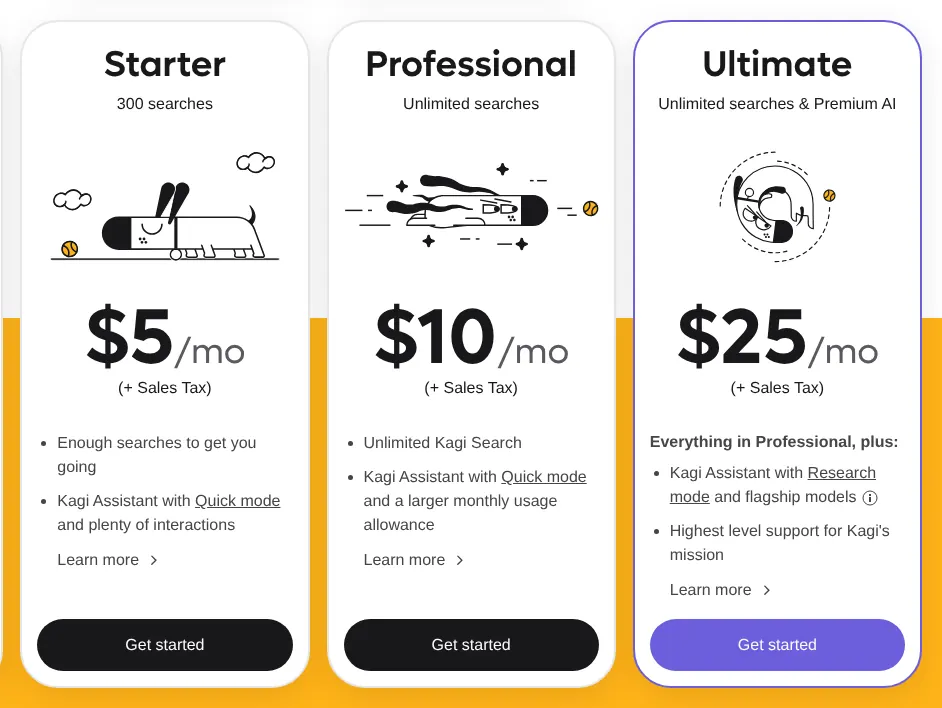
    Starter costs $5 a month plus sales tax and covers 300 searches. Professional, at $10, removes the search limit. Ultimate, at $25, adds Research mode, which runs many searches into one report, and the flagship models. The free trial stops at 100 searches in total, not per month. A month with no use at all is credited back in full on the next bill.

    Kagi plans billed monthly: Starter at 5 dollars a month for 300 searches, Professional at 10 dollars with unlimited searches, Ultimate at 25 dollars with premium AI, each plus sales tax.
    Starter reads $5 a month for 300 searches before sales tax; the two plans beside it remove the search limit. Source: kagi.com, captured on 15 Nov 2026.
  2. 2. Perplexity

    Perplexity fits someone who wants cited answers from several AI models and will turn off the training switch if privacy matters.

    Score
    98/100
    Best for
    Readers who want cited answers and a choice of AI models in one place
    From
    $20/mo
    Free plan
    Yes · 3 Pro Searches a day

    Perplexity calls itself an answer engine that researches the open web in real time and returns cited answers. It routes each question to the AI model it picks for that question, and a Pro user can also choose the model. Some cited sites carry a Government, Academic or Trusted label, a quick hint of where a claim comes from. It covers 18 of the 19 features in full. It is documented as a default search engine only in Comet, its own browser.

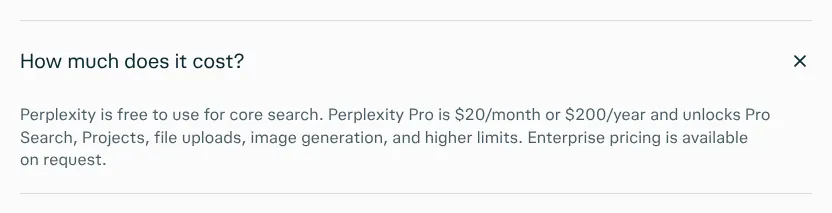
    Pro costs $20 a month or $200 a year. Its pricing page shows only the yearly rate, $17 a month. The free plan gives practically unlimited basic searches, 3 Pro Searches a day and 1 Research query a month. On Free, Pro and Max, searches can feed AI training by default, and a switch in settings turns this off. Enterprise Pro, the team plan, costs $40 per person a month.

    Perplexity FAQ answer: free for core search, Perplexity Pro at 20 dollars a month or 200 dollars a year, with Pro Search, Projects, file uploads and higher limits.
    The FAQ gives Pro at $20 a month, the monthly rate the plan cards on the pricing page do not show. Source: perplexity.ai, captured on 15 Nov 2026.
  3. 3. Felo

    Felo fits a multilingual researcher on a budget, though anyone pasting private work should note the missing training statement for personal plans.

    Score
    97/100
    Best for
    People who search in several languages and want reports or slides from the same account
    From
    $14.99/mo
    Free plan
    Yes · unlimited fast search, 3 file analyses a day

    Felo, made by Felo Inc. in Tokyo, sends one question to English, Chinese, Japanese and Korean sources at once. It covers 18 of the 19 features in full, from voice questions to an API (a way for other software to send questions and get answers back). The gap is privacy. Only Enterprise customers are told their data does not train Felo's models, and no such statement was found for Free or Pro.

    Pro costs $14.99 a month, shown next to a struck-through $20.99, or $149.99 a year. It includes 15,000 credits a month, plus 200 bonus credits a day while the plan is active. When the credits run out, Pro still allows 300 Pro searches a day. The free plan keeps fast search unlimited but stops file analysis at 3 a day and gives no API access.

  4. 4. Microsoft Copilot

    Copilot fits a household that already pays for Microsoft 365, since the AI search comes with apps it would buy anyway.

    Score
    94/100
    Best for
    Microsoft 365 users who want AI search next to Word and Outlook
    From
    $9.99/mo
    Free plan
    Yes · limited, no figure published

    Microsoft's AI search lives in Bing, where Copilot Search has become two features: AI Mode for conversations and AI Overview for a summary above the results. The paid side is sold as Microsoft 365 plans that include Copilot with the Word, Excel, PowerPoint and Outlook desktop apps. Prompts, responses and files in the Copilot app are not used to train foundation models. Three features are only partial. Web answers cannot be limited to chosen sources, Bing is documented as the default search only in Edge, and its search API works only inside Microsoft products.

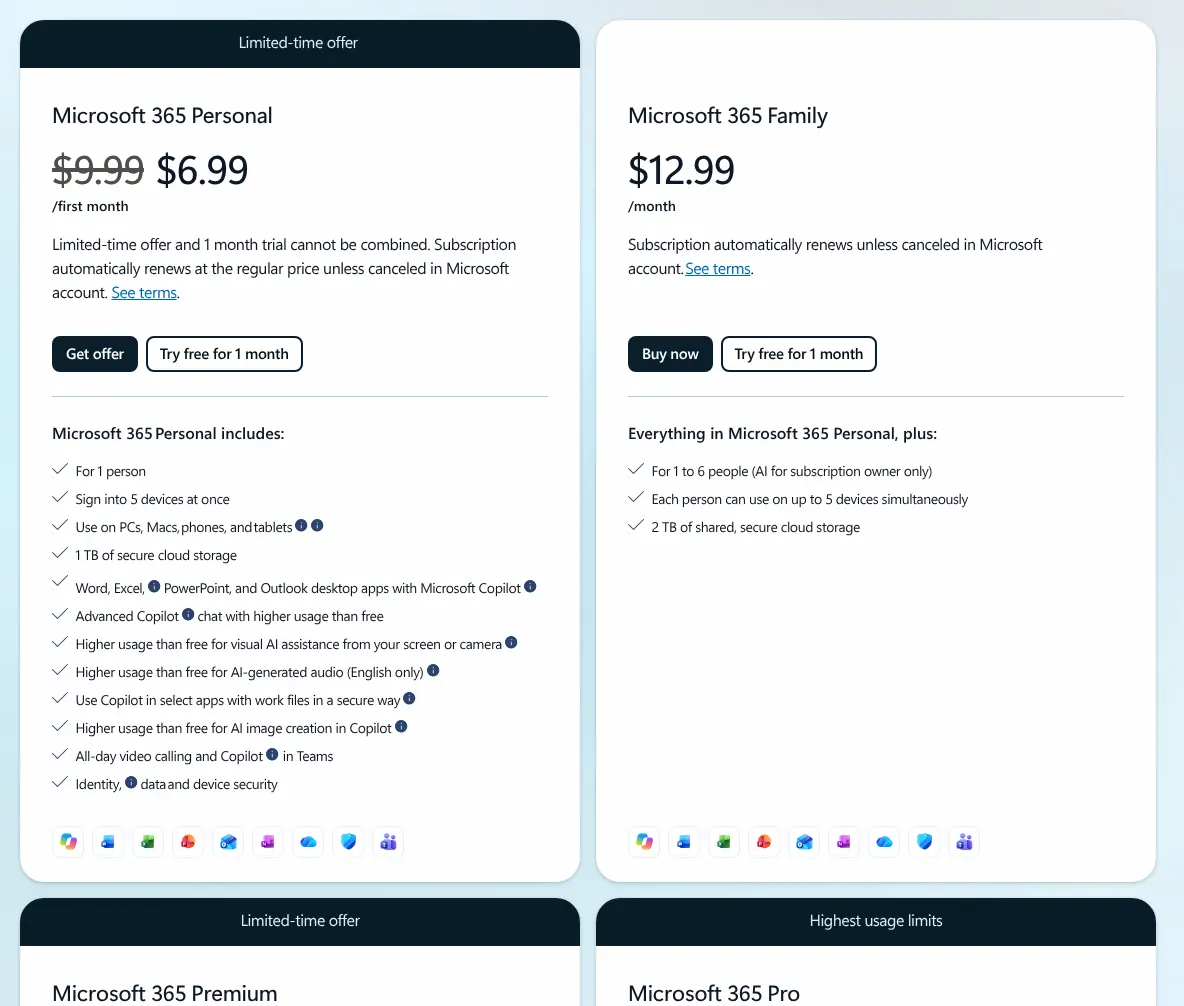
    Microsoft 365 Personal costs $9.99 a month. A limited-time offer showed $6.99 for the first month when the prices were read. Researcher, the tool that writes multi-step cited reports, needs Microsoft 365 Premium at $19.99 a month, or Pro. Without a Microsoft 365 subscription, Copilot may show ads. For a company, Microsoft 365 Business Standard with Copilot costs $28.20 per user a month on monthly billing.

    Microsoft 365 plans billed monthly: Personal at 9.99 dollars struck through beside a 6.99 dollar first-month offer, Family at 12.99 dollars a month, with the Copilot features each includes.
    Personal shows $9.99 struck through beside a $6.99 first-month offer; the subscription then renews at the regular price. Family reads $12.99 a month. Source: microsoft.com, captured on 15 Nov 2026.
  5. 5. Liner

    Liner fits a student who needs to trace each claim to its source and who subscribes on the web rather than in the app.

    Score
    94/100
    Best for
    Students and researchers who check every sentence against its source
    From
    $17.99/mo
    Free plan
    Yes · 100 credits a day, answers with ads

    Liner is built for college students and researchers, and it cites its sources line by line. A reader can check the exact sentence an answer relied on. The same plan also covers Liner Scholar, for academic research, and Liner Write, for writing. Voice questions and a way to make Liner a browser's default search engine were not found on its site.

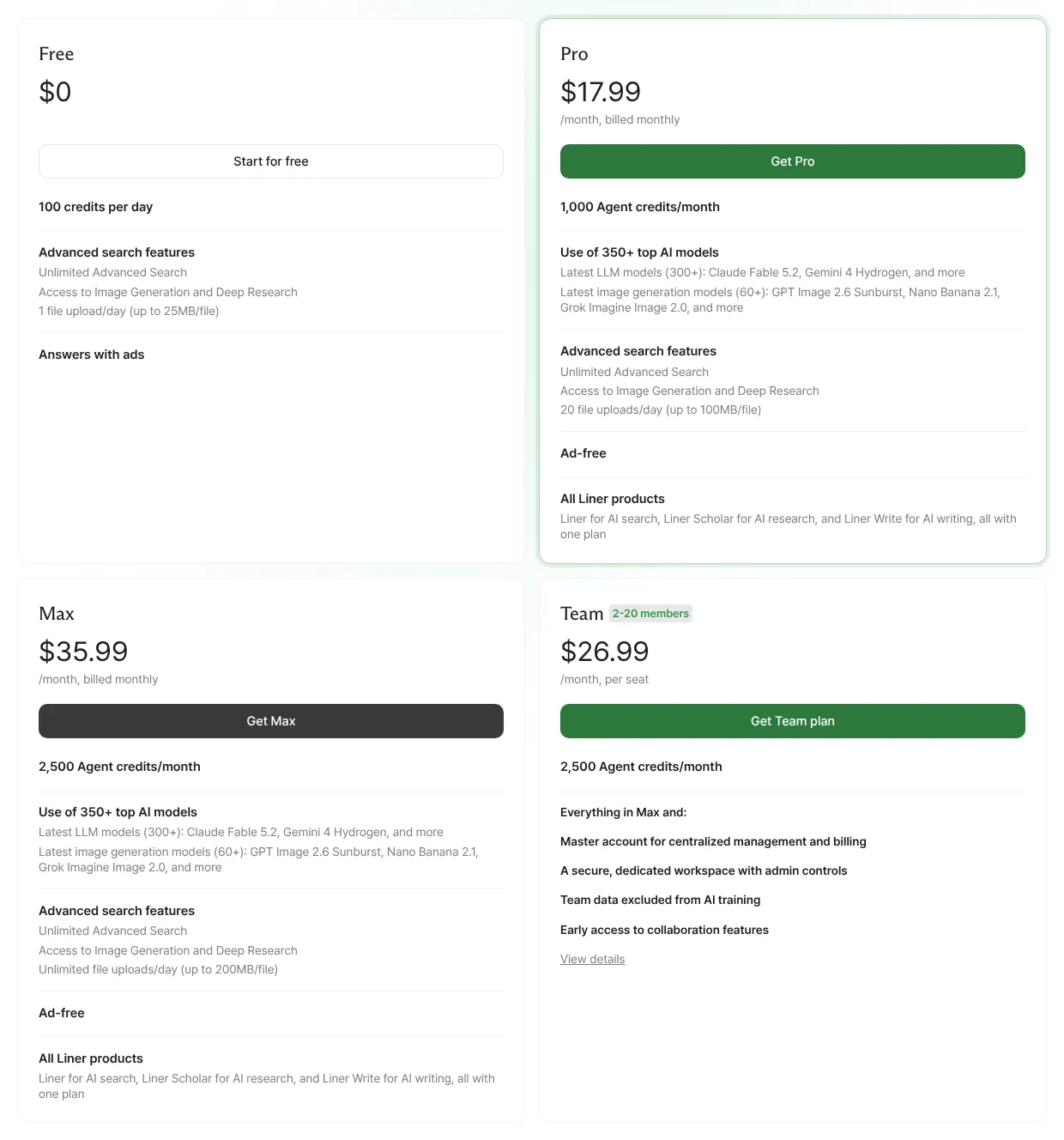
    Pro costs $17.99 a month, or $14.99 a month billed yearly, and removes the ads. It allows 20 file uploads a day, against 1 on the free plan. Max costs $35.99 a month and raises the usage limits. Liner may use searches to train its models unless the user turns this off, and Team data is excluded. Prices in the mobile apps may be higher than on the web.

    Liner plans with monthly billing selected: Free at 0 dollars with ads, Pro at 17.99 dollars a month, Max at 35.99 dollars a month, and Team at 26.99 dollars a month per seat.
    With monthly billing, Pro reads $17.99 a month and Max $35.99; the Free card lists answers with ads. Source: liner.com, captured on 15 Nov 2026.
  6. 6. Claude

    Claude fits a team that wants cited web answers inside the assistant it already writes with, rather than a separate search engine.

    Score
    90/100
    Best for
    Teams that want an AI assistant which searches the web and cites its answers
    From
    $20/mo
    Free plan
    Yes · limited, resets every 5 hours

    Claude is an AI assistant for work, and searching the web is one of its tools. Every response that uses search includes citations, and image results carry a link to the original page. Research, which runs many searches into one report, needs a paid plan. The model choice stays within Claude's own models. Limiting a search to chosen sites is documented only for developers.

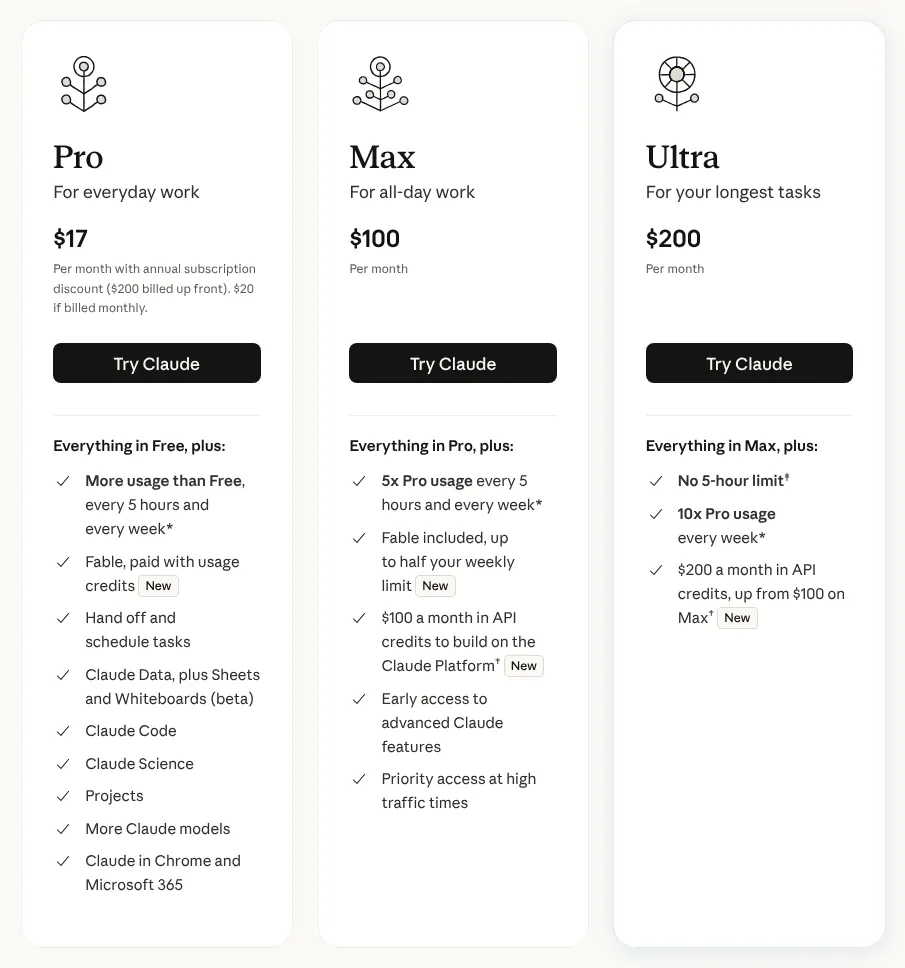
    Pro costs $20 billed monthly, or $17 a month on a yearly plan paid up front. The free plan includes web search but limits use every 5 hours and every week. Chats train the models only if the user allows it, and Team plans have no training by default. Team costs $25 per person a month, billed monthly, for 2 to 150 people.

    Claude plans: Pro at 17 dollars a month with annual billing or 20 dollars if billed monthly, Max at 100 dollars a month and Ultra at 200 dollars a month.
    The Pro card reads $17 a month on yearly billing and $20 if billed monthly, the rate used on this page. Source: claude.com, captured on 15 Nov 2026.
  7. 7. ChatGPT

    ChatGPT fits someone who already uses it every day, since search is included even on the free plan.

    Score
    85/100
    Best for
    People who already use ChatGPT and want search in the same chat
    From
    $8/mo
    Free plan
    Yes · search included, limited deep research

    ChatGPT is a general AI assistant, and searching the web is one of the everyday tasks it lists. Search is part of the free plan. Its deep research mode delivers a report in 30 minutes, with its progress shown in real time. It can also favour a list of sites the user approves. Image or video results, and a way to set ChatGPT as a browser's default search engine, were not found on the pages that could be read.

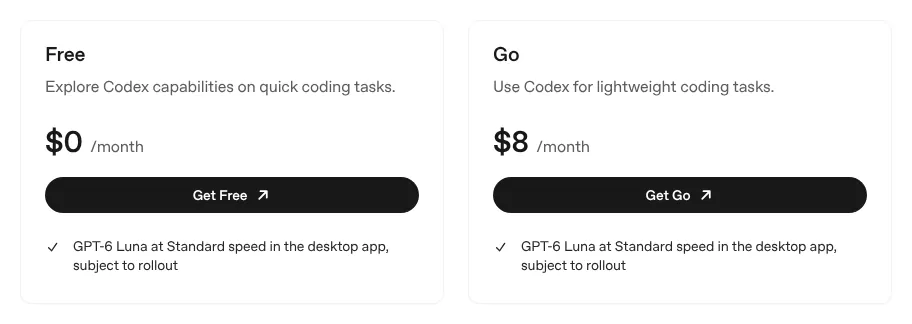
    Go, the first paid plan, costs $8 a month, and the vendor says it may include ads. Plus costs $20 a month and expands deep research and uploads. Content on the personal plans can train the models, with a setting to refuse, while Business data never does. Business costs $25 per user a month when billed monthly, from 2 users.

    ChatGPT plan cards on the vendor's documentation: Free at 0 dollars a month and Go at 8 dollars a month.
    Go reads $8 a month, the first paid plan; these cards present the ChatGPT plans for its Codex coding tool. Source: learn.chatgpt.com, captured on 15 Nov 2026.
  8. 8. Genspark

    Genspark fits someone who wants research and finished documents from one subscription, at the highest entry price of the ten.

    Score
    84/100
    Best for
    People who want search, research and slides from one AI workspace
    From
    $24.99/mo
    Free plan
    Yes · 100 credits a day, up to a lifetime cap

    Genspark has grown into an AI workspace with agents for slides, sheets and documents. Its AI Chat answers in a conversation and cites what it used when search is on. It offers more than 40 AI models, or a mix of models picked for the task. A filter for chosen sources, a public search API and a default-search setup were not found in its help centre.

    Plus starts at $24.99 a month, or $19.99 a month billed yearly, with 10,000 credits a month. Pro starts at $249.99 a month. Free accounts get 100 credits a day until a lifetime allowance runs out, then the daily refill stops. The pricing page refused automated reading, so these prices come from Genspark's help centre article on its plans. Team costs $40 per seat (one person on the account) a month, for 2 people or more.

  9. 9. Google AI Mode

    Cheapest

    AI Mode fits someone who wants cited AI answers without changing search engine or paying, and who accepts that searches help develop Google's AI.

    Score
    81/100
    Best for
    Anyone who wants AI answers inside Google Search at no cost
    From
    $4.99/mo
    Free plan
    Yes · free in Google Search

    AI Mode is the AI search built into Google Search, open to all users. It splits a question into subtopics and searches each one at the same time across several sources. A question can be typed, spoken, or asked with a photo. Google states that it uses people's interactions with Search and these AI features to develop its AI. No switch to refuse this was found in the AI Mode help.

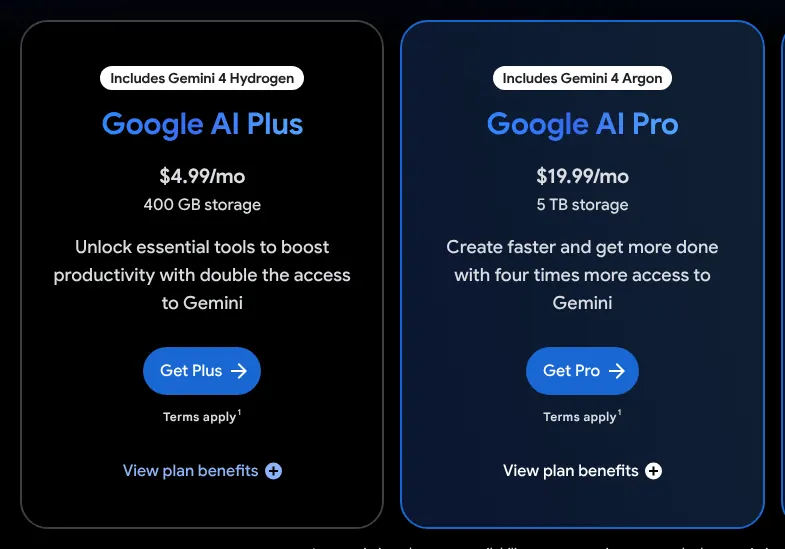
    Google AI Plus costs $4.99 a month, the lowest entry price of the ten, and comes with 400 GB of storage. Deep Search, which browses hundreds of sites for one answer, needs Google AI Pro at $19.99 a month and is offered only in the US. Google AI plans are open to personal accounts only, so there is no team plan. The stronger model in AI Mode has a daily limit whose number is not published.

    Google AI plans billed monthly: Google AI Plus at 4.99 dollars a month with 400 GB of storage, and Google AI Pro at 19.99 dollars a month with 5 TB.
    Google AI Plus reads $4.99 a month and Google AI Pro $19.99 a month; AI Mode itself needs neither. Source: one.google.com, captured on 15 Nov 2026.
  10. 10. DuckDuckGo

    DuckDuckGo fits someone who puts privacy first and wants AI answers with no account, without long research reports.

    Score
    81/100
    Best for
    People who want private AI answers without an account
    From
    $9.99/mo
    Free plan
    Yes · Search Assist free; Duck.ai with a daily limit

    DuckDuckGo adds AI answers to its results with Search Assist, an optional feature that generates them anonymously. A setting decides how often they appear, from often to never. Its chat, Duck.ai, strips personal data such as the IP address (the number that identifies a connection) before a question reaches the model maker. Conversations are not used to train models, by DuckDuckGo or by those makers.

    The Plus plan of its subscription costs $9.99 a month or $99.99 a year. It includes a VPN (a service that hides a device's connection) with stronger AI models such as Claude Sonnet 5.5. Pro costs $19.99 a month. Long research reports, folders for chats and a public API were not found. The subscription is for personal use only, with no business plan.

    DuckDuckGo subscription page: a secure VPN plus private, advanced AI, from 9.99 dollars a month or 99.99 dollars a year, with a 7-day free trial.
    The banner reads from $9.99 a month, the price of the Plus plan; the subscription also includes a VPN. Source: duckduckgo.com, captured on 15 Nov 2026.

Summary table

The table sets the ten AI search engines side by side. The entry price is the first paid plan, billed monthly. The team price is per person and per month. The last column says whether the vendor uses searches to train its AI models.

The 10 AI search engines side by side: score, entry price, free offer, team price and use of searches for AI training
ToolScoreEntry priceFree offerTeam price, per personSearches used for AI training
01Kagi100$5/moTrial · 100 searches in total$10/moNever, for Assistant data
02Perplexity98$20/moYes · 3 Pro Searches a day$40/moOn by default, can be turned off
03Felo97$14.99/moYes · unlimited fast search$39/mo, billed yearlyNot stated, except Enterprise
04Microsoft Copilot94$9.99/moYes · limited$28.20/moNot used by the Copilot app
05Liner94$17.99/moYes · 100 credits a day, with ads$26.99/moCan be turned off; never for Team
06Claude90$20/moYes · limited every 5 hours$25/moOnly if the user allows it
07ChatGPT85$8/moYes · search included$25/moCan be turned off; never for Business
08Genspark84$24.99/moYes · 100 credits a day, lifetime cap$40/moA setting; teams excluded by default
09Google AI Mode81$4.99/moYes · AI Mode is freeNo team planUsed to develop Google's AI
10DuckDuckGo81$9.99/moYes · Search Assist freeNo business planNever used

Prices in USD, billed monthly unless stated, read on 15 November 2026. Kagi's team price is its Professional plan. Perplexity's team plan is Enterprise Pro, and Microsoft's is Microsoft 365 Business Standard with Copilot. Felo's team page shows yearly prices only. Liner does not say how its Team price is billed. Genspark's prices come from its help centre, because its pricing page refused automated reading.

What an AI search engine costs for your team

For a team of 5, the monthly bill runs from $50 on Kagi to $200 on Perplexity and Genspark. One person pays the entry price; a team pays the team price for each person. Two tools sell no team plan: Google AI plans are for personal accounts only, and the DuckDuckGo subscription is for personal use. Team plans usually add shared billing and admin controls, which a shared login does not give.

Monthly cost of each AI search engine for 1, 5 and 20 people
ToolPlan used1 person5 people20 people
01KagiStarter, then Team Professional$5/mo$50/mo$200/mo
02PerplexityPro, then Enterprise Pro$20/mo$200/mo$800/mo
03FeloPro, then Team Premium$14.99/mo$195/mo, billed yearly$780/mo, billed yearly
04Microsoft CopilotMicrosoft 365 Personal, then Business Standard$9.99/mo$141/mo$564/mo
05LinerPro, then Team$17.99/mo$134.95/mo$539.80/mo
06ClaudePro, then Team$20/mo$125/mo$500/mo
07ChatGPTGo, then Business$8/mo$125/mo$500/mo
08GensparkPlus, then Team$24.99/mo$200/mo$800/mo
09Google AI ModeGoogle AI Plus$4.99/moNo team planNo team plan
10DuckDuckGoSubscription Plus$9.99/moPersonal use onlyPersonal use only

Prices in USD, billed monthly unless stated, read on 15 November 2026. Kagi's team price is $10 per member a month, paid monthly in advance. Felo shows team prices only with yearly billing: $39 per seat a month. Liner's Team plan takes 2 to 20 members and does not state its billing period. Claude's Team plan takes 2 to 150 people, Genspark's 2 to 150 seats.

How we rank

  1. The ten tools are ranked by a score out of 100. It measures how many of 19 features expected of an AI search engine each vendor documents on its own site. It does not measure how accurate or useful the answers are, which no vendor here proves independently.Answers 48% · 6 featuresWhat you can ask with 16% · 4 featuresSaving and sharing 10% · 3 featuresWhere it works 16% · 4 featuresPrivacy and teams 10% · 2 features
  2. The 19 features fall into five groups: answers, ways to ask, saving and sharing, where the tool works, and privacy and teams. Three define the category and weigh 3: answers with linked sources, a search of the live web, and follow-up questions in a thread. The others weigh 2 or 1, for a total weight of 31. A tool scores 1 for a feature its vendor documents on any plan. A feature with a stated limit counts for half, such as a choice limited to the vendor's own models or a feature found only in its developer tools. It scores 0 when absent from the vendor's pages or not verified. The score is the weighted sum over 31, rounded.
  3. At equal scores the lower entry price ranks first. Microsoft Copilot and Liner both score 94, so Copilot ($9.99) comes before Liner ($17.99). Google AI Mode and DuckDuckGo both score 81, and Google AI Mode ($4.99) comes first.
  4. Nineteen tools were considered and eighteen scored. Below the ten: Brave Search (77), Grok (71) and Elicit (69). Consensus (73) is left out because its paid prices could not be read on its site. Komo, iAsk and Andi were scored, but too few of their features could be checked to rank them. You.com now sells only developer search tools priced per call. Phind's site refused every reading on 15 November 2026.
  5. No entry on this page is sponsored. A sponsored entry is marked Sponsored and holds the position paid for; its score stays the computed one.

FAQ

Is there a free AI search engine?

Yes, several. Google AI Mode is free inside Google Search, and DuckDuckGo's Search Assist is free with no account. Perplexity's free plan gives practically unlimited basic searches and 3 Pro Searches a day. Felo keeps fast search unlimited for free, and Liner gives 100 credits a day with ads. Kagi offers only a trial of 100 searches in total.

Which AI search engines keep my searches out of AI training?

Kagi says Assistant data never trains AI models, and DuckDuckGo says its chats do not either. Microsoft says the Copilot app does not use prompts and files to train foundation models. Claude uses chats only if you allow it. On Perplexity, ChatGPT and Liner you need to turn training off yourself. Google uses searches to develop its AI, and no switch to refuse was found.

Do AI search engines show ads?

Some do. Liner's free plan shows answers with ads, and ChatGPT says its Go plan may include ads. Copilot may show ads if you have no Microsoft 365 subscription. Kagi has no ads and is paid for by its users. If ads bother you, compare the price of an ad-free plan with the free one.

Can I make an AI search engine my browser's default?

Kagi, Felo and DuckDuckGo document how to make them a browser's default search engine. Perplexity documents it only for Comet, its own browser, and Microsoft documents Bing as the default in Edge. Google documents making Google Search the default, not AI Mode itself. For Liner, Claude, ChatGPT and Genspark, no setup was found.

Why is Brave Search not in the ten?

It scored 77, eleventh, just below the ten. Its AI answers are free, and its $3 subscription only removes ads. Folders for research and a team plan were not found. File questions and voice exist only in Leo, Brave's browser assistant, whose premium version costs $14.99 a month. If you already use the Brave browser, its AI answers cost you nothing to try.