The score shortlists, but the right tool depends on what the music is for and where it will be published. Six checks narrow the list to one or two. Each rests on facts read on vendor pages on 16 November 2026.
1. Count downloads, not only songs
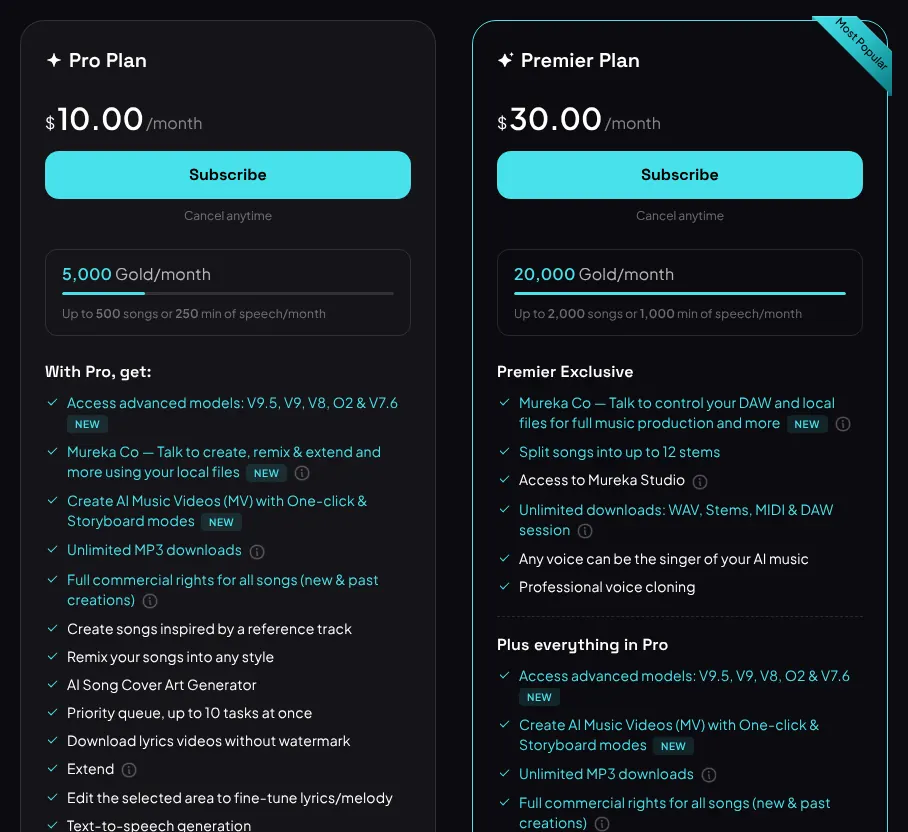
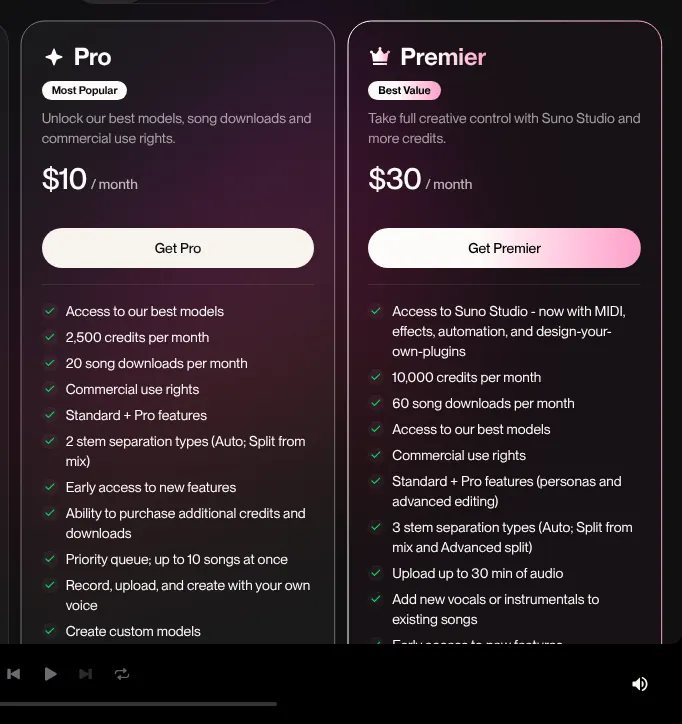
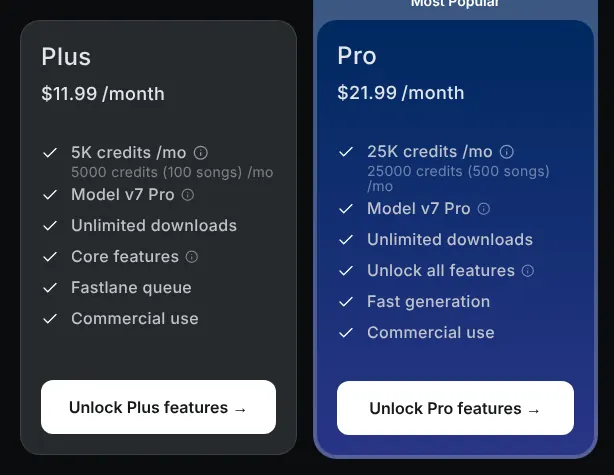
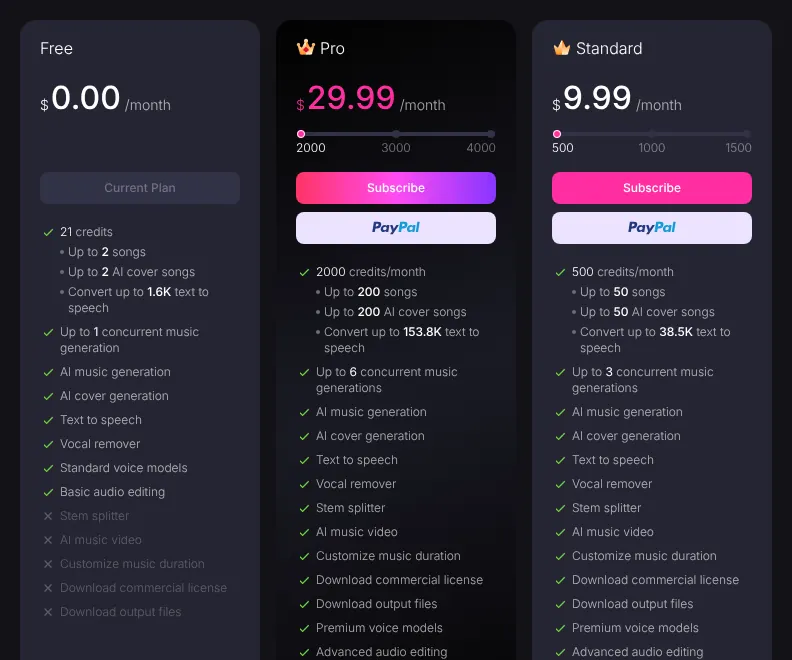
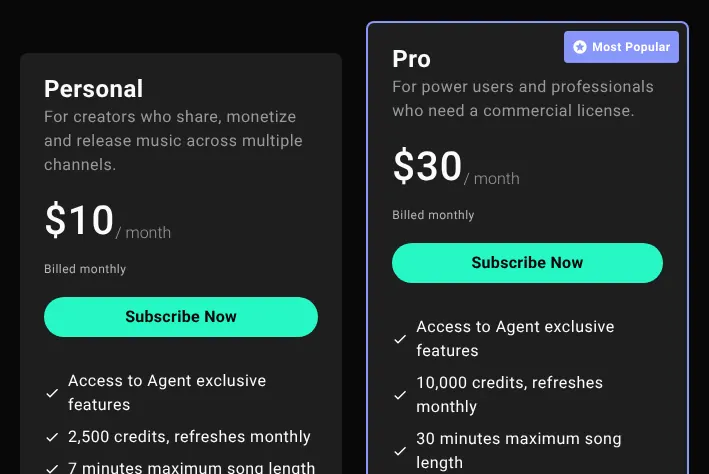
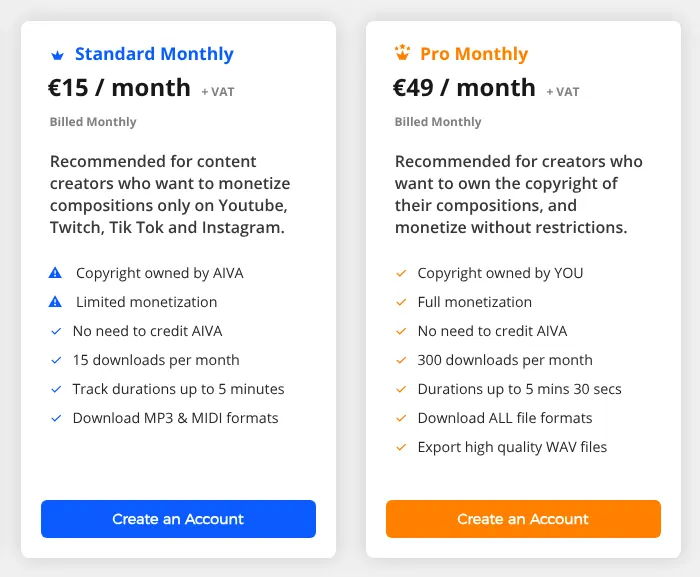
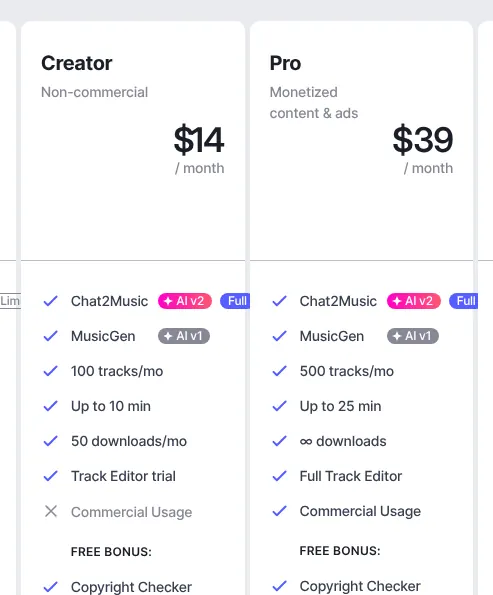
Check how many finished songs you can download each month, because some plans generate far more than they let you keep. Suno Pro makes about 500 songs a month but allows 20 downloads. AIVA Standard allows 15. Mureka and MusicGPT have no download cap on their first paid plan. A creator who needs 30 tracks a month for videos would run out on Suno Pro after 20.
2. Decide whether you need vocals
Rule out the instrumental tools first if you want sung lyrics. Stable Audio, AIVA and Mubert make music without sung vocals. The other seven write and sing lyrics, or sing the lyrics you type. For background music under a video, an instrumental tool is enough and often has simpler rights.
3. Read who owns the song
Look at the ownership line of the exact plan before you publish anything, because it changes from plan to plan. On AIVA Standard, AIVA owns the copyright, and only Pro hands it over. Loudly and Mubert keep their rights and grant a licence. Mureka users own paid songs, but Mureka keeps a permanent licence to use them. Free plans exclude commercial use almost everywhere, except on Stable Audio.
4. Check the rules for Spotify
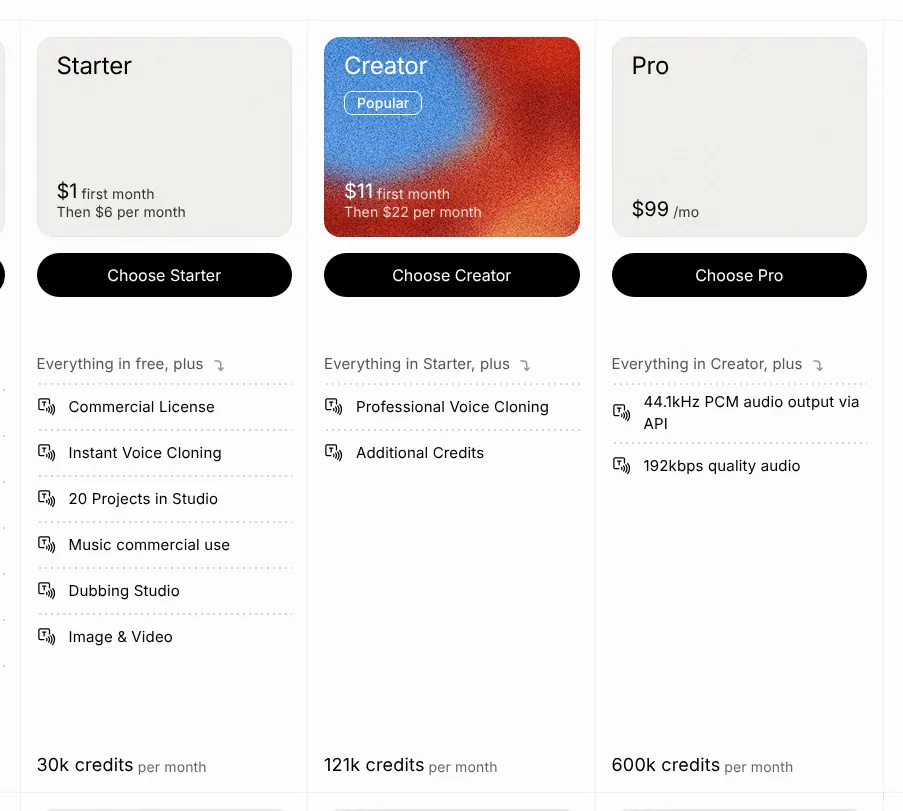
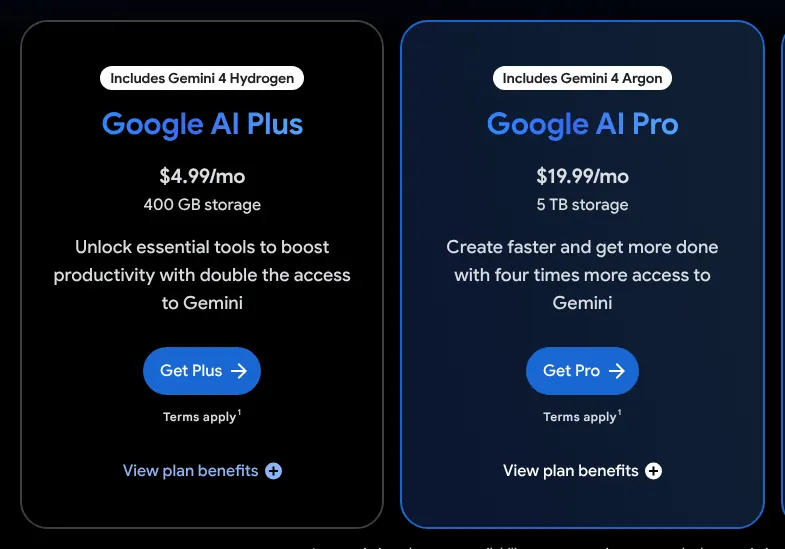
If your goal is a release on streaming apps, check this rule first, because commercial use and streaming release are not the same right. Eleven Music allows it only from Creator, at $22 a month. Mubert allows it on no plan. Loudly releases songs only through its own service. No Google page says whether Google Flow Music songs may be released.
5. Match the file formats to your next step
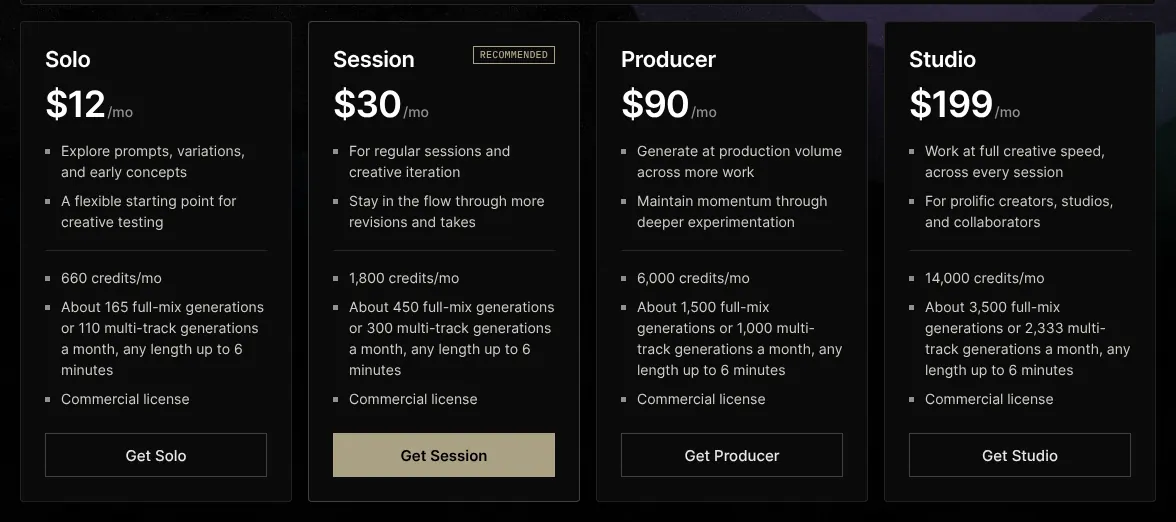
Choose the plan by the files you will open next. A WAV file keeps full audio quality, stems split a song into its parts, and MIDI holds the notes for music software. Mureka gives all three on Premier, at $30 a month. MusicGPT starts WAV and stems at $21.99, and Eleven Music starts WAV at $99. AIVA includes MIDI from its free plan.
6. See what the vendor may do with your music
Read the licence you give the vendor as closely as the one you receive. MusicGPT, Loudly and Mureka may use what users create or upload, for training or other uses. Google Flow Music collects uploads and outputs, with a setting to turn it off. Stable Audio says its models were trained on fully licensed material. If you upload unreleased material, prefer a tool whose terms you have read.