Web hosting is the rented space on a server, a computer that stays online, where a website's files live so visitors can reach them. All ten hosts on this list include a free SSL certificate (the padlock that encrypts the connection between visitor and site) and one-click WordPress installation. Six checks narrow the list, each based on vendor pages read on 17 November 2026.
1. Compare the price after the welcome offer
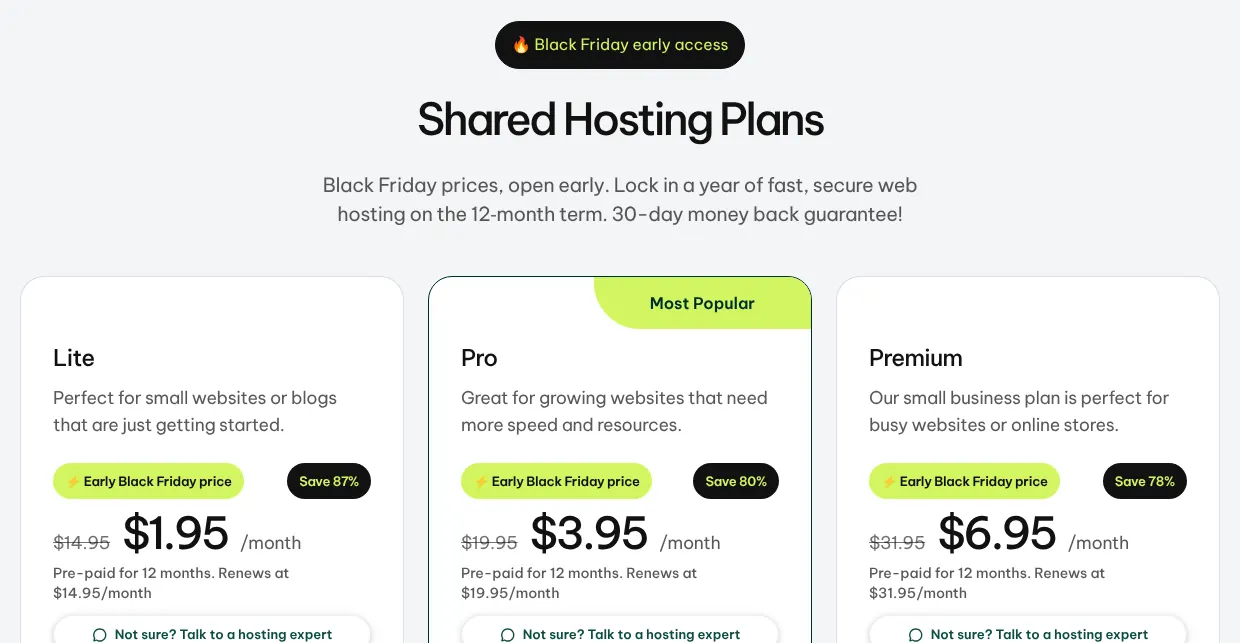
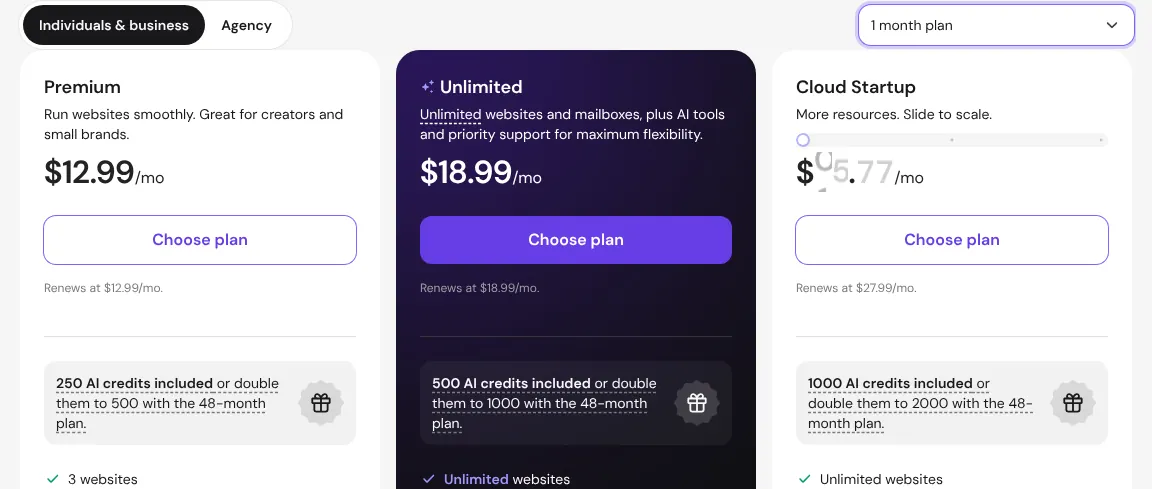
The large price on a hosting page is almost always a welcome offer. It applies to a long term paid in advance, and the plan then renews at a higher rate. Hostinger shows Premium at $1.99 a month, but only on a 48-month term paid upfront. Paid month by month, the same plan costs $12.99.
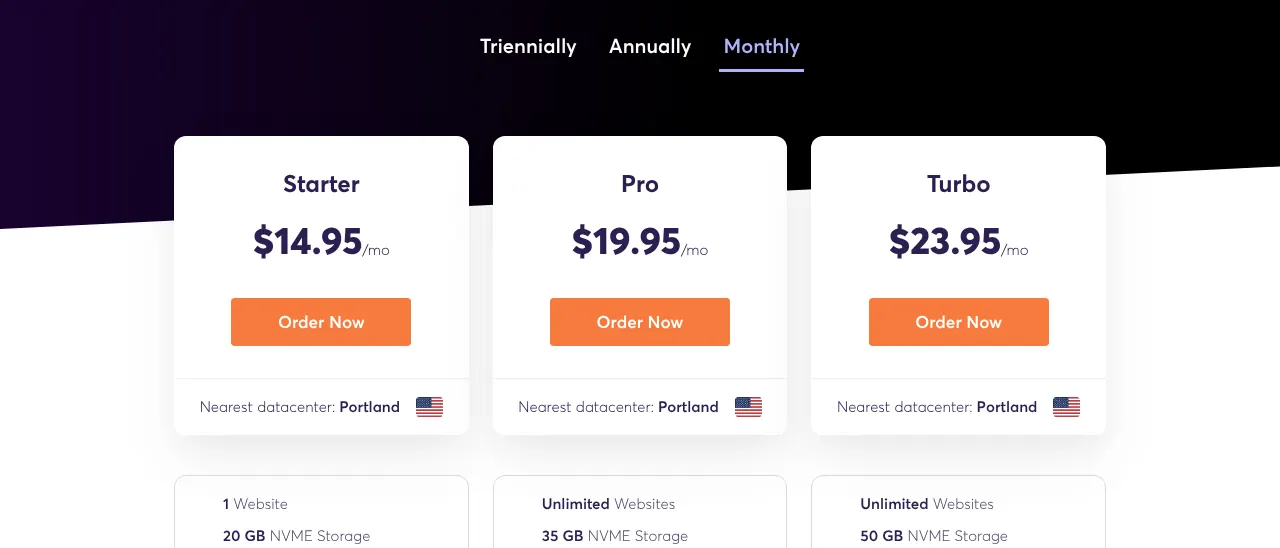
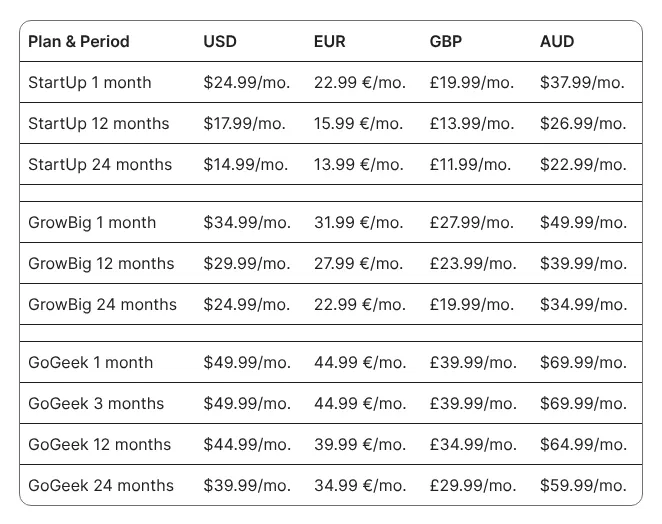
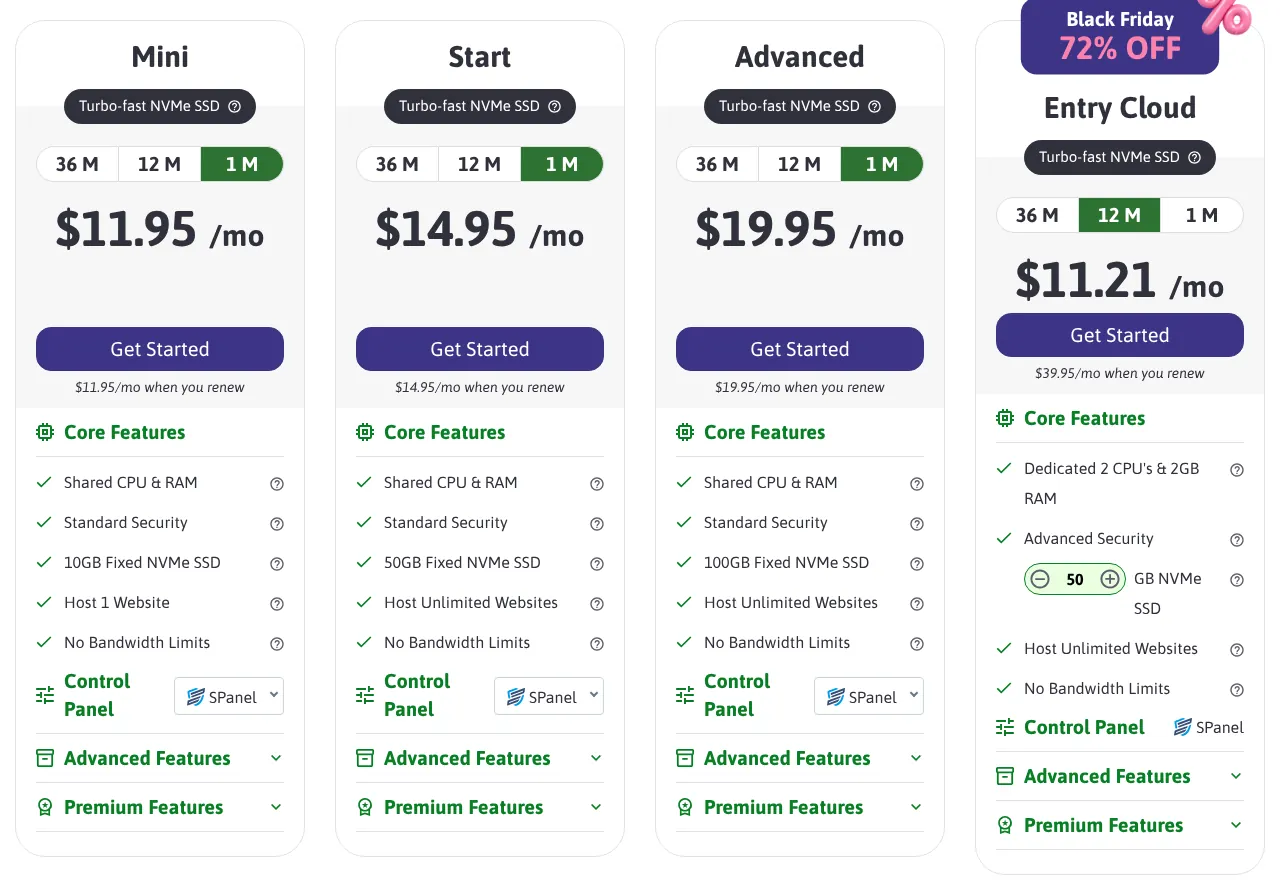
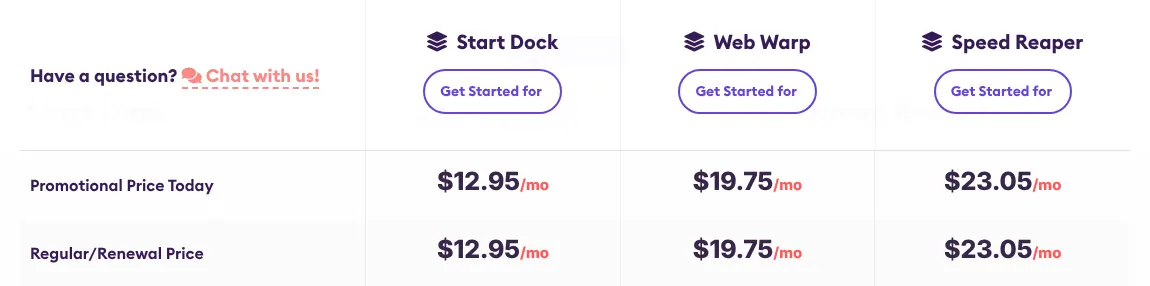
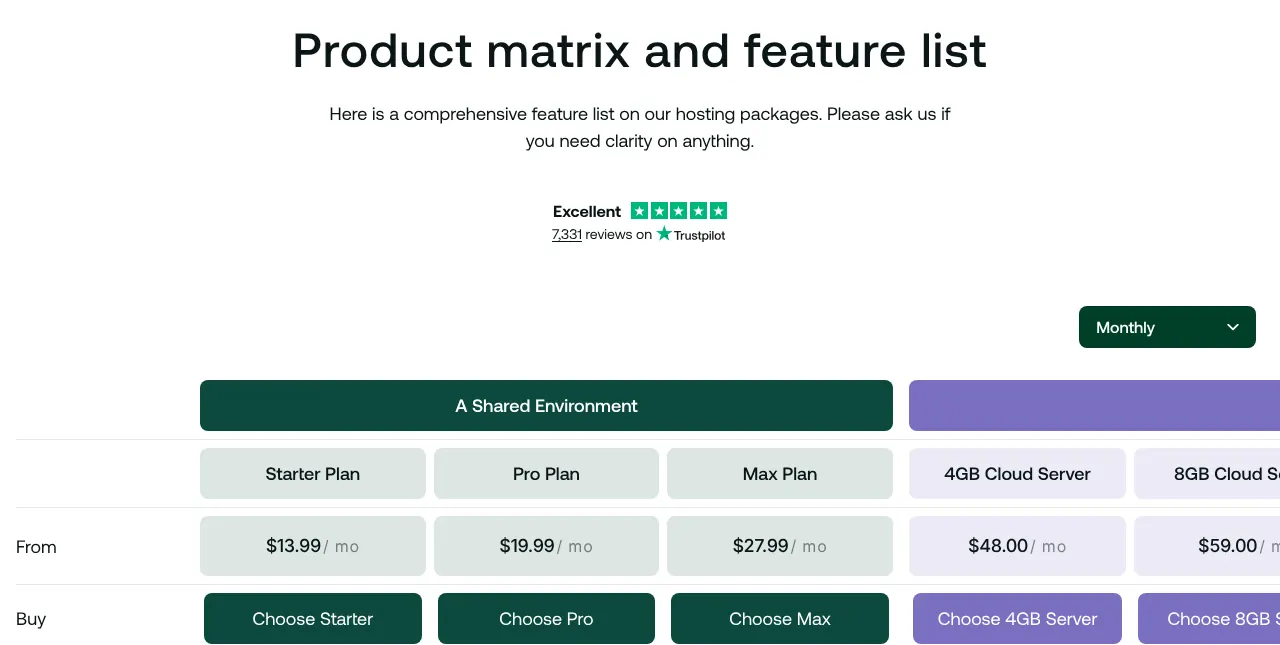
This page lists each host at its regular price: the one-month price where the host sells one, or the renewal price otherwise. Use the welcome offer to save money only once you know the host suits you.
2. Count the websites you will run
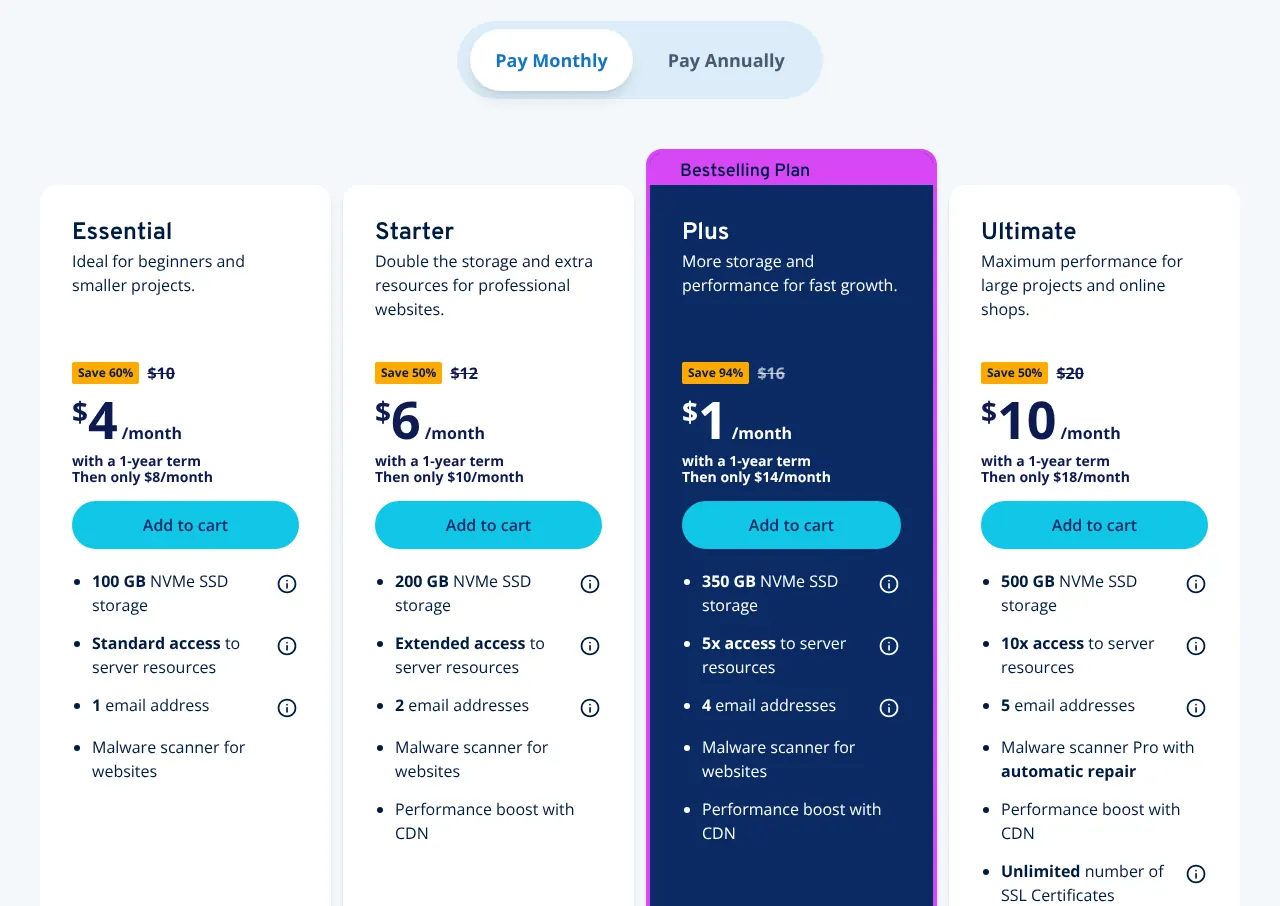
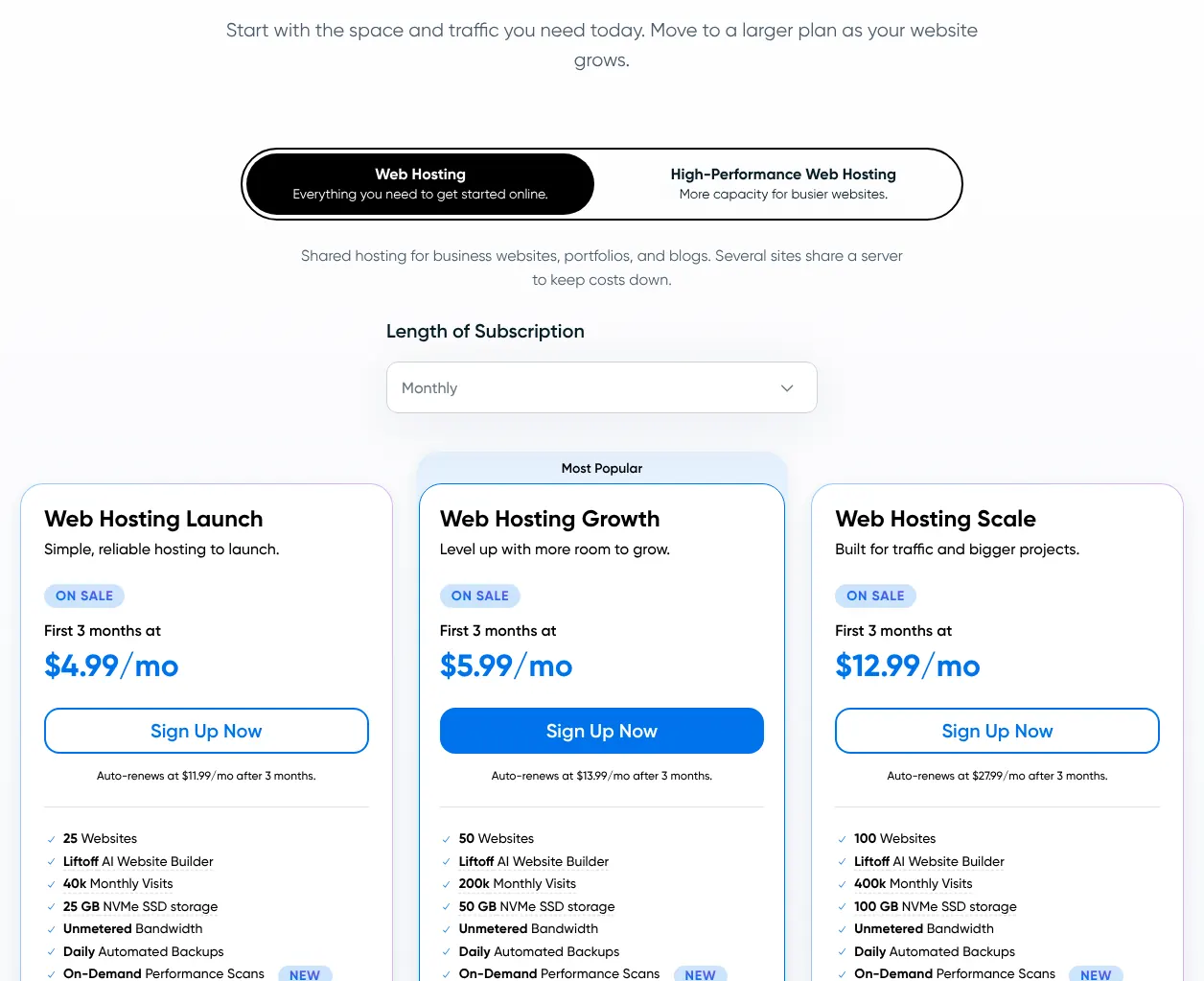
The entry plan (the cheapest paid plan) often caps how many sites one account can host. ChemiCloud, SiteGround, ScalaHosting and HostArmada allow one website on their first plan. Hostinger allows three, GreenGeeks and hosting.com five, and Bluehost ten. DreamHost's Launch plan holds 25 websites, and IONOS sets no limit.
If you plan a second site within a year, compare the plan that holds it, not the entry plan.
3. Check what email costs after the first months
An address at the site's own name, such as hello@yourshop.com, is not always free for long. Hostinger's mailboxes are free for one year, then $0.59 a month each. DreamHost's mailboxes are a three-month trial, then billed separately. IONOS Essential includes one email address.
ChemiCloud and ScalaHosting include unlimited mailboxes, GreenGeeks 50 on Lite and hosting.com five on Starter. A team of four that needs its own addresses should count this before choosing.
4. Look at backups and security
A backup is a copy of the site that the host keeps, so a broken update can be undone. SiteGround makes daily backups on every plan. ChemiCloud keeps 10 daily backups, ScalaHosting and HostArmada 7. Hostinger's Premium plan and Bluehost's shared plans back up weekly.
Malware scanning (an automatic check for harmful code planted in the site) is included by most hosts here. DreamHost sells it as DreamShield, an extra, and Bluehost as SiteLock Essentials according to websitebuilderexpert.com.
5. Read the free domain and refund conditions
A domain is the site's address, such as yourshop.com. Most hosts give one free for the first year, but often only on a long term. ChemiCloud requires a 36-month plan, Hostinger and DreamHost a yearly one, and ScalaHosting leaves Mini out.
Refund windows differ too. ChemiCloud and HostArmada allow 45 days, the others 30. HostArmada's guarantee excludes monthly billing, and so does Bluehost's according to namechk.com.
6. Choose where the server sits
A data centre is the building where the server runs. Most of these hosts let the customer pick one when signing up. HostArmada offers nine locations, and Hostinger has data centres in Europe, North America, Asia and South America. No IONOS page read says a web hosting customer can choose.
If most visitors live in one country, pick a host with a data centre in or near it.